Business Signature: A Refined Script Font
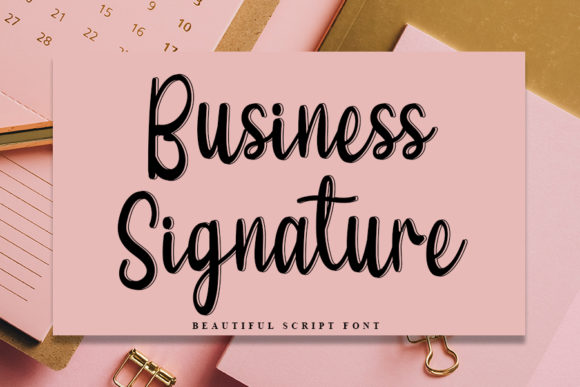
Choosing the right font can transform a simple text into a visual experience. When I began redesigning my lifestyle blog, I knew I needed a typeface that felt both elegant and approachable. That’s when I discovered Business Signature—a delicate and elegant script font that brought a sense of grace to every line.
Business Signature is more than just a font; it’s a design element that adds character to any project. Its well-rounded letters and smooth curves give it a soft, flowing rhythm that feels almost handcrafted. This makes it ideal for creating a warm and inviting tone in editorial work, whether it’s a blog header, a newsletter graphic, or an ebook cover.
As a designer, I appreciate how Business Signature balances refinement with readability. While it’s clearly a script font, it doesn’t sacrifice clarity. The spacing between letters and the consistent stroke weight make it suitable for short phrases and headlines, where style and legibility must coexist.
Using Business Signature in Editorial Design
One of the first places I used Business Signature was on my blog’s header. The font added a touch of sophistication without overwhelming the reader. It paired beautifully with a clean sans serif for the body text, creating a clear visual hierarchy that guided the eye from the title to the content below.
In a recipe ebook I was designing, I used Business Signature for the chapter titles. The font’s flowing nature gave each section a personal, curated feel, as if the recipes were handwritten by a trusted friend. It worked especially well with a serif font for the ingredient lists and instructions, ensuring the text remained easy to read even in long-form content.
I also experimented with Business Signature in a wedding guide I was compiling. For the cover, it provided a romantic and timeless vibe, while for pull quotes and section headings, it added a decorative yet readable touch. The font’s versatility made it a go-to choice for different parts of the layout.
When to Use Business Signature
Business Signature excels as a display font. It’s perfect for titles, subtitles, and decorative accents where visual appeal is key. However, it’s not designed for large blocks of text. Its flowing style works best in shorter formats, such as headers, logos, or decorative elements within a larger design.
For longer reading, it’s best to pair Business Signature with a more traditional font. A serif font like Georgia or Garamond provides a strong base for body copy, while a sans serif like Lato or Open Sans offers clarity for captions and navigation elements. This pairing ensures that the design remains both aesthetically pleasing and functionally sound.
When working on a printable planner, I used Business Signature for the section headers and motivational quotes. The font’s elegance complemented the clean lines of the layout, making each page feel intentional and refined. It also helped reinforce the brand identity of the planner, giving it a cohesive and professional look.
Considerations for Readability and Use
While Business Signature is visually appealing, it’s important to consider its use across different mediums. On screens, especially smaller ones, the font may appear less distinct. For mobile layouts, it’s best to use it sparingly, such as in headlines or decorative elements, rather than in body text.
For print materials, Business Signature holds up well, especially when used in larger sizes. It adds a refined touch to business cards, brochures, and packaging designs. In PDFs, it maintains its quality, making it a solid choice for digital downloads and course materials.
Before using Business Signature in commercial projects, it’s essential to check the licensing terms. Make sure the font allows for use in ebooks, templates, paid newsletters, or client publications. Also, verify that it includes all necessary styles, alternates, and ligatures for full flexibility in design.
Pairing Business Signature with Other Fonts
Font pairing is an art in itself, and Business Signature offers a range of possibilities. For a modern, clean look, pair it with a sans serif like Montserrat or Roboto. This combination creates a balanced contrast between the script’s elegance and the sans serif’s simplicity.
If you’re going for a more classic feel, a serif font like Cinzel or Playfair Display can provide a sophisticated backdrop. This pairing works well for editorial features, magazine covers, and book titles, where a sense of tradition and refinement is desired.
For a more casual or creative vibe, try combining Business Signature with a handwritten font like Great Vibes or Dancing Script. This can add a playful and personal touch to social media graphics, greeting cards, or branded merchandise.
Ultimately, the success of any design depends on how well the fonts work together. Business Signature is a versatile tool that can enhance a wide range of projects, from lifestyle blogs to coaching workbooks. Its ability to convey personality and style makes it a valuable addition to any designer’s toolkit.
As I continue to explore new ways to use Business Signature, I’m reminded of how much impact a single font can have on the overall reading experience. It’s not just about aesthetics—it’s about creating a connection with the audience, one carefully chosen letter at a time.